

The inaugural African Nations Championship (CHAN) tournament in Africa was held in the Ivory Coast in 2009. The Championship was designed to promote local football leagues and expose the domestic talent of the respective local players. CAF management in outlining his mandated stated:
“It is a showcase of Africa’s best homegrown players, often providing a springboard for emerging stars to secure moves abroad.”
CHAN which contrasts AFCON, in that players can participate regardless of their professional leagues, is exclusively reserved to players from individual countries. While this makes CHAN unique in celebrating local talent, it also exposes weaknesses in the respective countries in their investment in sports development. To be eligible, players must be active in their own national football clubs. To put this in perspective, a Kenyan player can only participate in CHAN, if they are actively playing in any of the local football leagues. However, if they subscribe to a foreign football club, they automatically become ineligable.
This was Kenya’s maiden CHAN tournament and the largest since hosting All-African Games in 1987. IT marked the first time that three nations jointly hosted a CHAN tournament. CAF’s choice of Kenya, Uganda, and Tanzania was largely seen as a rehearsal for the AFCON 2027, which the trio will also host. The three nations had, however, faced some infrastructure setbacks, prompting the organizer to postpone the tournament. This gave them adequate time for renovations and the championship officially kicked off in August. Holding the tournament in the three East african nations was set to boost the East African Community’s integration, contribute to the economic growth of the three states and the infrastructural development.
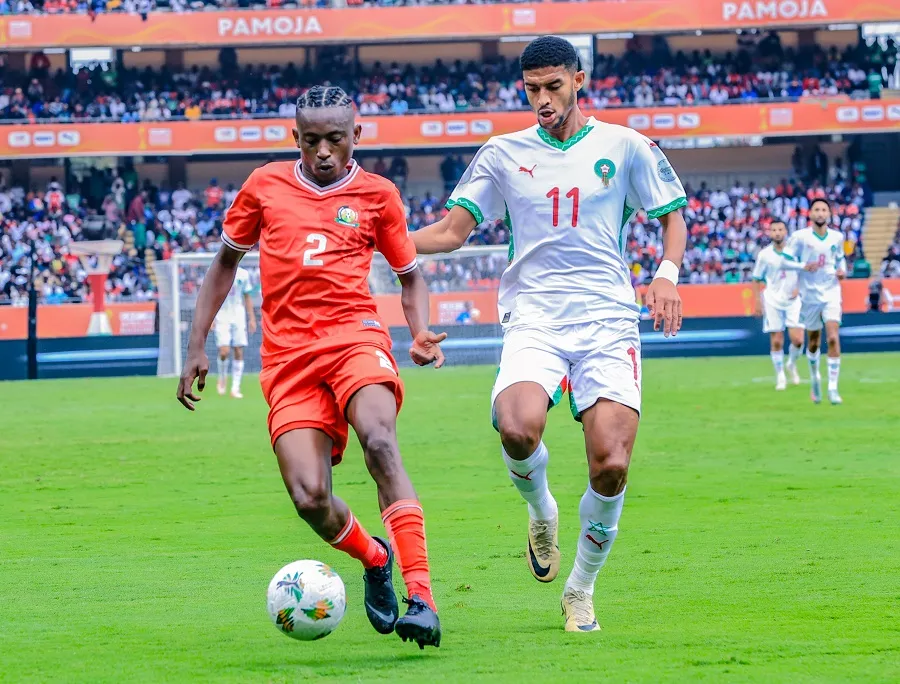
In Kenya, local businessmen, local entrepreneurs reaped big from the tournament, with fans flocking to buy team jerseys, mini flags and whistles. Transport services also boomed, as cab operators and bus companies in Nairobi experienced a surge in demand from fans travelling to and from the venue. Short-stay premises also recorded higher bookings from supporters coming in from outside the city, while infrastructure upgrades including improved roads and new street lighting around the venue added to the tournament’s impact. The renovations that took place preceding the torunament in the Moi International Sports Center in Kasarani, as well as the other training grounds, including Ulinzi Sports Complex, Kenya Police grounds and new training grounds that were constructed at Kasarani Annex, will provide lasting benefits to the local teams.
The sporting arena in Kenya has always faced numerous challenges despite Kenya having very talented individuals across the athletics and football circles. Corruption, mismanagement of funds, and reports of sexual harassment by the female players, especially in the basketball leagues. For instance the former federation head Nick Mwendwa faced charges of embezzlement of funds allocated by the government as part of the money to facilitate AFCON 2027. Investigations by the Ethics and Anti-Corruption Commission culminated in its recommendation to prosecute the former head. Nick’s case was, however, closed in November 2021 and he was acquitted of all the charges. This begs the question of how this sector will survive if the people put in place to ensure its development are the ones contributing to its downfall, with almost no repercussions.
Being true to its goal of exposing domestic players to international opportunities, CHAN 2024 was a stepping stone for some players, including Ryan Wesley Ogam, who played for Kenya’s Harambee Stars. Ogam began his football career as a midfielder at Tusker FC and was later converted to a striker by his coach Charles Okere. Ogam has proven to be one of the most talented players, scoring 15 goals in 17 appearances. Both domestic and international clubs had been scouting for Ogam during his time at Tusker FC, but his winning goals against Morocco and Zambia at CHAN made his demand skyrocket. Following both wins, Ogam reportedly received offers from clubs in Sweden, Norway, Libya, the UAE, Algeria, Morocco, and many others before he opted for Austria. His former club has since confirmed his successful transfer to the Austrian Bundesliga Wolfsberger AC.
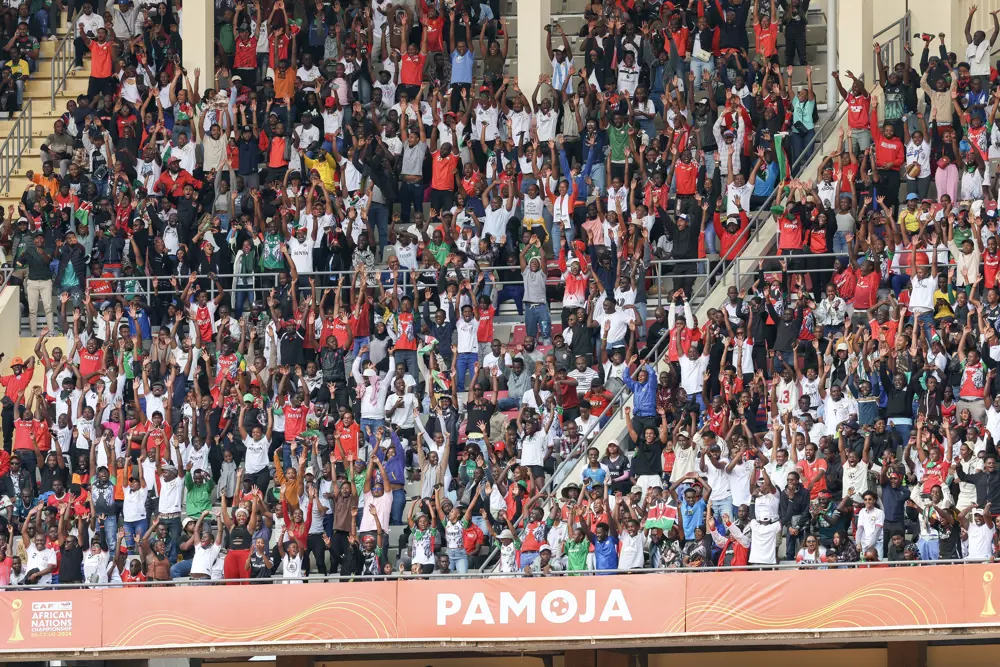
Kenya possesses a vast pool of talent in athletics and soccer, and the government should tap into this talent niche. Economic growth can influence Kenya’s sports market in the same way that increased sports consumption can lead to economic growth. For the government to generate income for sports, it first has to invest in the sporting industry. Providing state-of-the-art stadiums and training facilities for the local teams. Football enjoys massive popularity in Kenya, as seen by the packed stadium at Moi International Sports Center during the matches and the strong support for EPL and domestic league matches. Kenya shuld harness this passion by developing its teams’ capacity and hold annual high-stakes tournaments. Countries like England, which have invested in football, the resultant has been an increase of approximately 8 billion Sterling Pounds GVA(Gross Value Added) to its economy which has created and supported more than 90,000 jobs across the UK. Kenya’s economy could significantly grow and create more job opportunities for its citizens if it follows the UK path.
Partnerships between the government and other stakeholders are also crucial in supporting the football market. Appointments to the FKF board should be merit-based. The management should be held accountable for every shilling spent to provide transparency so that any allocated funds actually do their intended use instead of vanishing in the air. The past cases of embezzlement where millions of shillings have been siphoned off, derailling any significant development should serve as a wake-up call for stricter accountability and transparent management of the sports sector.

I am a member of SI Karen Blixen Bevy Club, and an aspiring
diplomat committed to human rights, gender equality, and global
policy solutions. With a strong interest in multilateral diplomacy, his
work bridges policy and action, advancing women’s rights while
addressing broader humanitarian challenges. Combining strategic
insight with passionate advocacy, he is shaping his path as a
next-generation leader in diplomacy and inclusive governance.