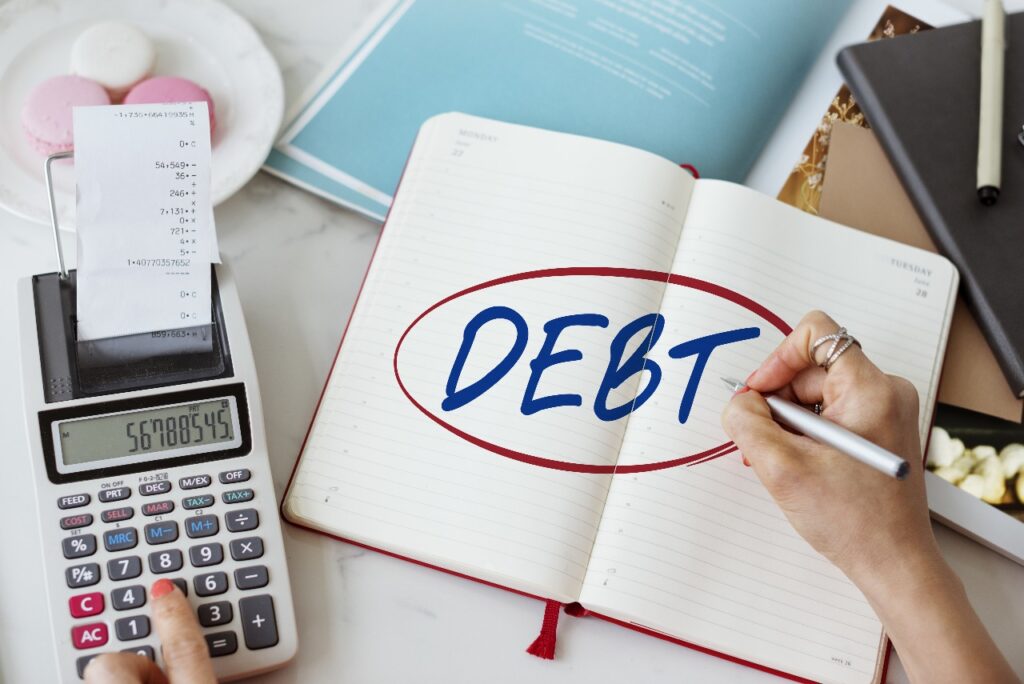
There comes a time when a nation must confront its demons head-on, and for Kenya, that time is now. The demon choking our economy, suffocating future generations, and robbing citizens of dignity is unsustainable public debt, a monster fed fat by reckless politicians and enabled by a silent financial system that profits from national misery.
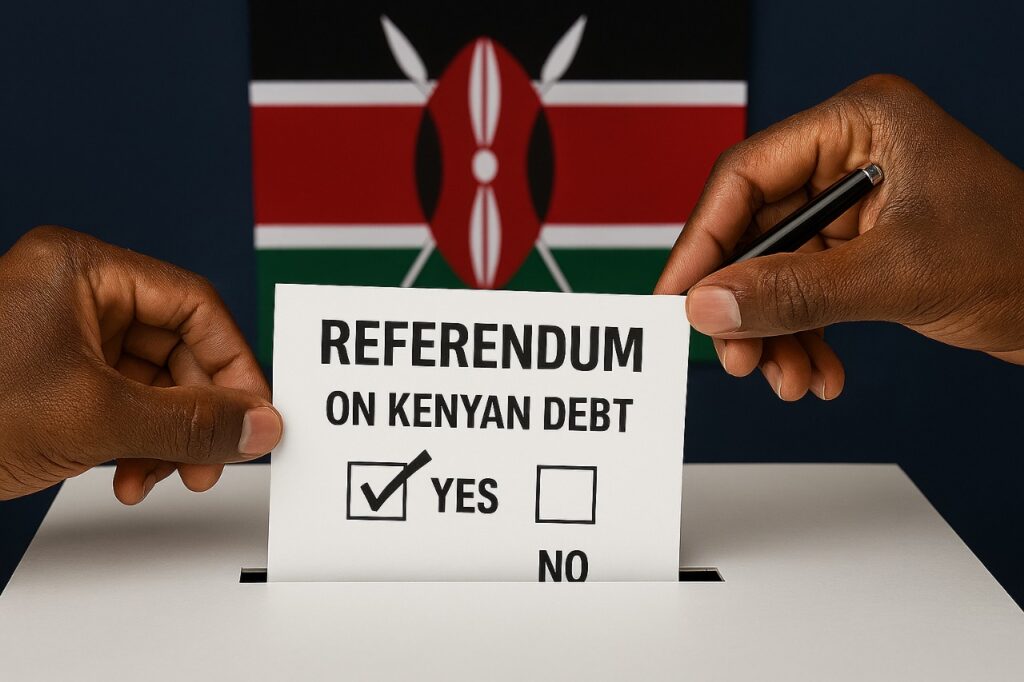
It’s time to amend Article 255 of the Constitution through a referendum to include a borrowing clause that sets a specific borrowing limit, subject to strict review based on clear standards and at regular intervals. Without this safeguard, Kenya’s economic future will remain vulnerable to rogue political elites whose desire for loans knows no moral or fiscal limits.
Today, Kenyans are sinking deeper under the weight of debt they never asked for, while banks dominate the country’s so-called top profit-makers. Out of the top ten profit-making institutions in Kenya, eight are banks, with only a single brewery and Safaricom breaking the monopoly. This fact alone should tell us something deeply disturbing about the structure of our economy; it is no longer driven by production, innovation, or enterprise, but by debt.
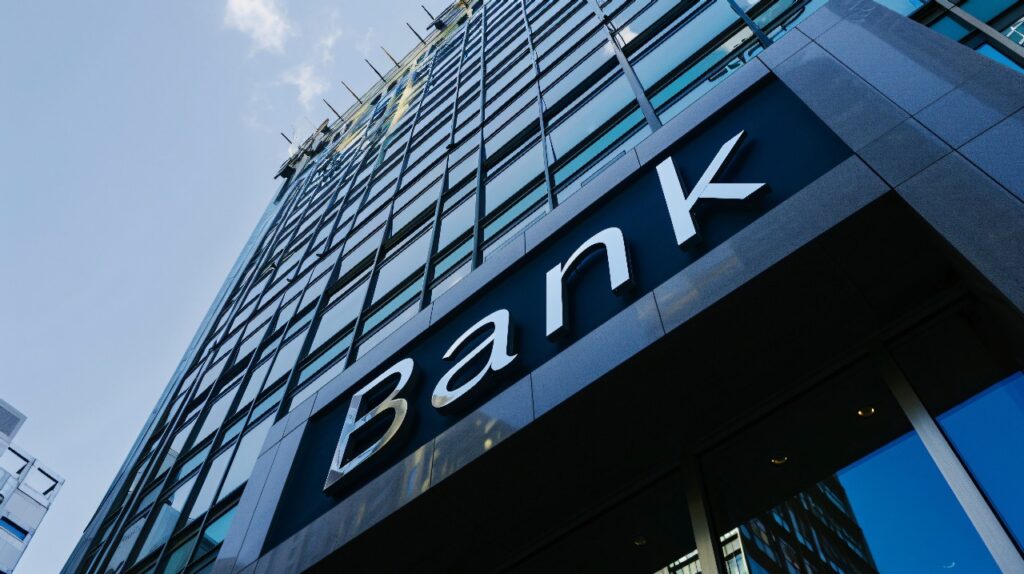
But how exactly do banks make their money? The answer is straightforward: they rely on lending. They lend to individuals, businesses, and most lucratively, to governments. The Kenyan government, habitually dependent on borrowing, has become the largest and easiest client for these institutions. Every new Treasury Bill and Bond issued to cover another bloated budget or white-elephant project results directly in higher profits for banks.
For the banks, it’s a golden era. For the ordinary Kenyan, it’s a nightmare.
Banks are not inherently evil; they are simply doing what businesses do: maximizing profit. The real problem is a system that rewards debt and penalizes productivity—a system where government borrowing crowds out the private sector, stifling genuine entrepreneurship and job creation. When the government becomes the primary borrower, banks have little motivation to support local innovators, farmers, manufacturers, or small businesses. Why take the risk when the government will borrow billions and offer guaranteed returns?
Thus, our economy becomes parasitic, feeding on itself. The government borrows heavily, pays interest to banks, and banks record record-breaking profits, while citizens are squeezed dry through higher taxes, inflated prices, and reduced services. This is the vicious cycle of debt capitalism, and it’s consuming Kenya from within.
Let’s be brutally honest: the Kenyan political class has shown they lack fiscal discipline. They borrow not for long-term growth, but for short-term political gains — to fund inflated contracts, reward loyalists, or cover budget gaps caused by corruption and inefficiency. Every regime blames its predecessor, yet each new regime borrows more than the last. It’s a national addiction that can only be broken through constitutional action.
That is why amending Article 255 is not just desirable — it is crucial. The Constitution must include a clear borrowing clause that sets a firm limit on how much the national and county governments can borrow, both domestically and internationally. The clause should also establish a mandatory periodic review mechanism, say every five years — conducted by an independent fiscal oversight body, insulated from political interference.
Such a reform would align Kenya with responsible fiscal frameworks seen in other democracies, where governments cannot gamble with the nation’s future at will. It would restore sanity to public finance, protect taxpayers from reckless leaders, and push a shift from debt-driven budgets to productivity-based growth.
Critics will argue that a constitutional borrowing limit could constrain economic flexibility. That’s a hollow argument. What flexibility are we talking about when over 60 percent of tax revenue goes to debt repayment? When essential services like healthcare, education, and infrastructure suffer because the lion’s share of the budget is consumed by interest payments? Flexibility without responsibility is just another word for chaos.
The current situation is unsustainable. Banks continue to record enormous profits — billions in a single quarter, while small businesses struggle to survive. The cost of credit remains steep, and lending continues to favor government securities over private businesses. Meanwhile, Kenyans are overtaxed to repay loans they never agreed to.
Let’s call it what it is: economic injustice. A quiet, legalized form of exploitation.
If this pattern continues unchecked, Kenya risks becoming a permanent debtor nation; where every generation is born into servitude to lenders. Sovereignty itself becomes a joke when national budgets are dictated by creditors and not by citizens’ needs. The dream of economic independence, for which our forefathers fought, evaporates under the weight of compound interest.
We cannot keep watching as politicians sell out our children’s future for political convenience. The people must rise, through a grassroots initiative, to amend the Constitution and regain control of the nation’s financial future. This is not just an economic reform; it is a patriotic duty.
Every Kenyan must understand that unchecked borrowing is not just a policy problem; it is a moral one. It represents greed over prudence, self-interest over service, and shortsightedness over sustainability. To continue on this path is to condemn future generations to poverty, not because they lacked opportunity, but because we failed to defend their inheritance.
We have reached a breaking point. The time for speeches and excuses is over. Kenya must shift from debt dependence to fiscal discipline, from political recklessness to constitutional restraint. Article 255 should be amended to include a borrowing clause, with clear limits, strict accountability, and regular review.
If we don’t push this through a popular initiative, the same rogue politicians who profit from chaos will continue tightening the noose on Kenyans. They will borrow today, celebrate tomorrow, and leave the public to pay the price for decades.
We cannot let that happen.
Kenya’s Constitution grants us the power to protect ourselves from tyranny — not only political tyranny but also economic oppression. It’s time we exercise that power. Let us amend Article 255, set limits on reckless borrowing, and start the long path toward economic freedom.
Because if we don’t, then history will not forgive us.

Bill Clinton Oulo
Bill Clinton Oulo is a Health Economist and Policy Professional with over five years of experience in public health research, sexual and reproductive health, and wellbeing economics.
He is a former President of the University of Eldoret Students Organization(UoESO), a Leadership and Governance Mentor, a Youth Leader.
Bill has played a part in the Political space of the Country with the recent one being National Lobby groups Coordinator for Azimio la Umoja Campaigns, 2022.